

Philippine Peso Hits Historic ₱63 Per Dollar: What It Means For Your Wallet
The Philippines imports many essential goods, including fuel, rice, electronics, and raw materials. When the peso weakens, these imports can become more expensive.
 By Komunna News · Metro Manila
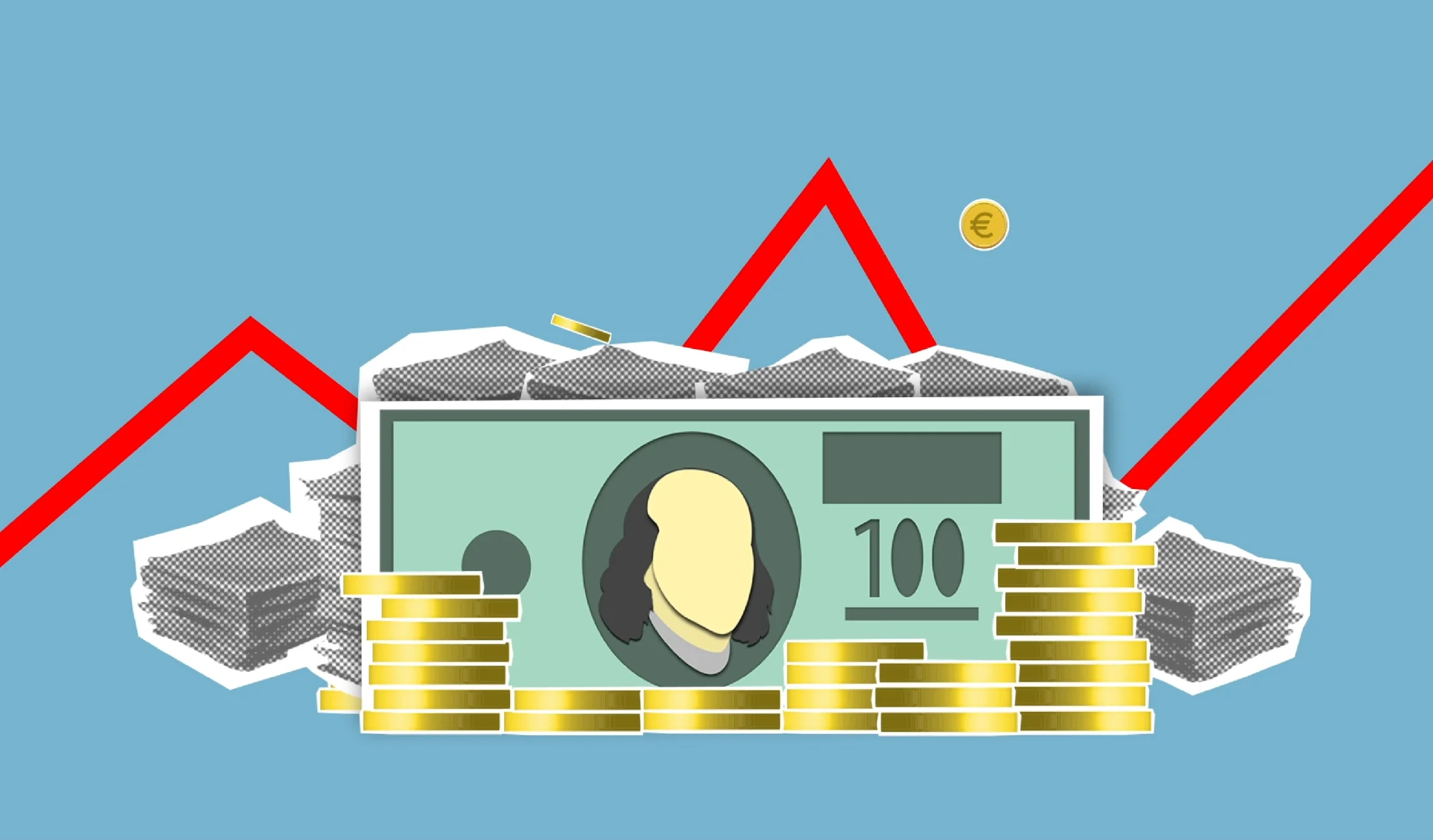
The Philippine peso has fallen to a historic low of ₱63 against the US dollar, raising concerns about the rising cost of living.
Why does this matter?
The Philippines imports many essential goods, including fuel, rice, electronics, and raw materials. When the peso weakens, these imports can become more expensive.
That could mean:
Higher prices for everyday goods and services.
More expensive fuel, which can increase transportation and delivery costs.
Rising living expenses, putting more pressure on Filipino households.
A weaker peso doesn't automatically mean everything will become more expensive overnight. But if import costs rise and businesses pass those costs on to consumers, Filipinos could feel the impact in their daily expenses.
The big question: As the peso weakens, how much more will Filipinos have to pay just to get by?
- cost of living Philippines
- economic news Philippines
- Philippine inflation
- Filipino consumers
- fuel prices Philippines
- Philippine peso
- US dollar exchange rate
- Philippine peso hits ₱63
- inflation Philippines
- peso depreciation
- Philippine financial news
- Philippine economy
- rising prices Philippines
- peso to dollar exchange rate
- Philippine imports

Written by
Komunna News
Share
Related stories
 BusinessMetro Manila
BucketStats.com Launches Beta Platform to Help Basketball Leagues Manage Competitions Online
The new web-based platform aims to simplify basketball league management, making it easier for organizers to manage competitions and build a stronger digital presence for their leagues.
 Business
The Peso Just Hit a Record Low Against the Dollar. Here’s What It Means for Your Wallet
The Philippine peso fell to a record-low close of ₱63.06 per US dollar, raising concerns about import costs, fuel prices and household budgets.