

The Peso Just Hit a Record Low Against the Dollar. Here’s What It Means for Your Wallet
The Philippine peso fell to a record-low close of ₱63.06 per US dollar, raising concerns about import costs, fuel prices and household budgets.
 By Komunna News
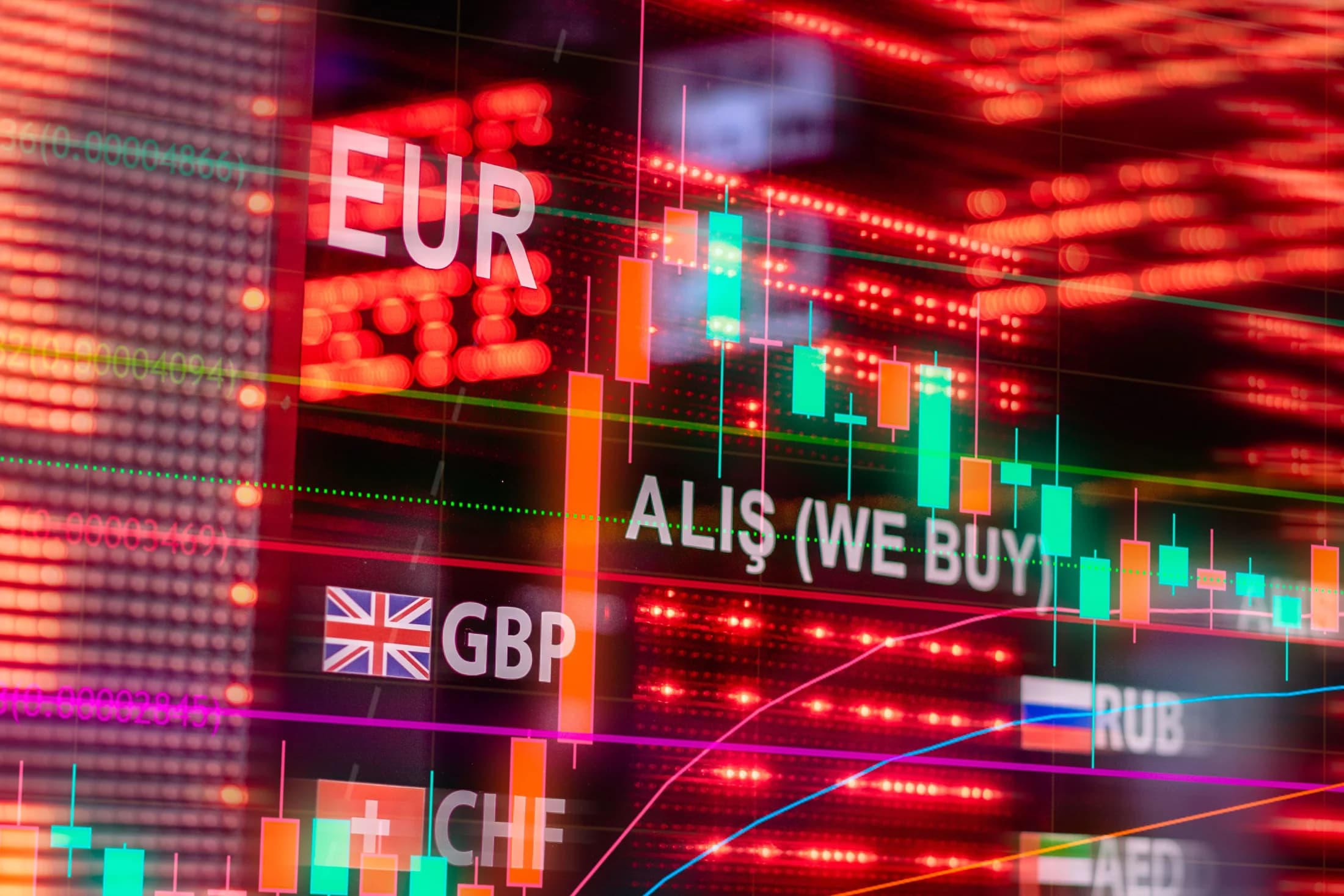
The Philippine peso has fallen to a new record low against the US dollar, crossing the ₱63 mark for the first time as global economic and geopolitical pressures weigh on the local currency.
The peso weakened to ₱63.15 per dollar during morning trading on Thursday, October 15, before closing at ₱63.06, according to reports citing data from the Bankers Association of the Philippines. The closing rate surpassed the previous record of ₱62.90 recorded on October 8. Source: GMA News
The latest decline marks another milestone in the peso’s weakening against the dollar, putting renewed attention on how currency movements can affect the cost of imported goods and the everyday expenses of Filipino households.
Why a Weaker Peso Matters
The Philippines imports many products and materials priced in US dollars, including petroleum, industrial inputs, machinery and certain food products.
When the peso weakens, importers generally need more pesos to purchase the same amount of dollar-priced goods. Depending on global prices, contracts and other costs, this can put upward pressure on prices in the domestic market.
For consumers, that could mean additional pressure on household budgets if higher import costs are eventually passed on to retail prices.
However, a weaker peso does not automatically mean every imported product will become more expensive immediately. The impact depends on several factors, including international commodity prices, shipping costs, taxes and how businesses adjust their prices.
What Is Behind the Peso’s Decline?
The peso’s latest record low comes amid renewed tensions in the Middle East and uncertainty surrounding the global economic outlook.
Market watchers have also pointed to expectations for US interest rates and the country’s declining gross international reserves as factors contributing to pressure on the local currency, according to GMA News.
Higher US interest rates can make dollar-denominated assets more attractive to investors, potentially supporting demand for the US currency. Meanwhile, geopolitical uncertainty can influence oil prices and currency markets.
These pressures can be particularly significant for an import-dependent economy such as the Philippines.
What It Could Mean for Filipino Households
A persistently weak peso can affect different groups in different ways.
Motorists and commuters: Higher peso costs for imported oil could add pressure to fuel prices, although actual pump prices also depend on international oil prices and other market factors.
Families buying food: Imported food and agricultural inputs may become more expensive, depending on sourcing and supply conditions.
Businesses: Companies that rely on imported raw materials, equipment or components may face higher operating costs.
Overseas Filipino workers’ families: Those receiving remittances in US dollars may get more pesos when exchanging the same dollar amount, before fees and other charges.
Travelers and online shoppers: Filipinos paying dollar-denominated expenses may need more pesos to cover the same purchases.
The overall effect will depend on how long the peso remains weak and whether higher costs are passed on to consumers.
Will Prices Go Up?
Not necessarily across the board or immediately.
The exchange rate is one factor influencing prices, alongside global commodity costs, domestic supply, transportation expenses and government policies.
Still, if the peso remains under pressure while the country continues to pay for major imports in dollars, businesses and households could face additional cost challenges.
For now, the peso’s record-low close is another sign of the economic pressures facing the country as global financial conditions and geopolitical developments continue to influence the local currency.
- cost of living Philippines
- exchange rate October 2026
- fuel prices Philippines
- Philippine peso record low
- Philippine peso
- Philippine news
- inflation Philippines
- Philippine economy
- peso hits record low
- peso to dollar exchange rate
- US dollar

Written by
Komunna News
Share
Related stories
 BusinessMetro Manila
BucketStats.com Launches Beta Platform to Help Basketball Leagues Manage Competitions Online
The new web-based platform aims to simplify basketball league management, making it easier for organizers to manage competitions and build a stronger digital presence for their leagues.
 BusinessMetro Manila
Philippine Peso Hits Historic ₱63 Per Dollar: What It Means For Your Wallet
The Philippines imports many essential goods, including fuel, rice, electronics, and raw materials. When the peso weakens, these imports can become more expensive.